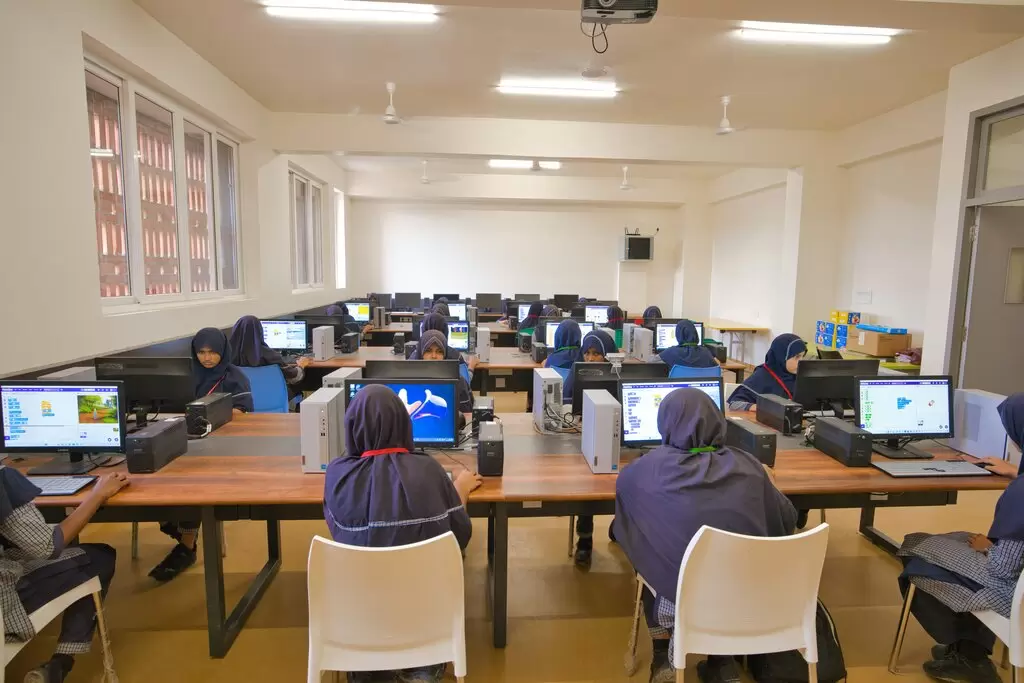
Bridging the Gap: Collaborative Approaches to Educational Equity

Bridging the Gap: Collaborative Approaches to Educational Equity
Introduction
Achieving educational equity is a complex challenge that requires collaboration among governments, schools, communities, nonprofits, and private sectors. No single entity can address all the barriers that prevent equal access to quality education. Collaborative approaches leverage the strengths of multiple stakeholders to create sustainable solutions and ensure that all students, regardless of background, have the opportunity to succeed.
This article examines collaborative strategies for promoting educational equity, highlights successful case studies, and explores future directions for collective action.
The Importance of Collaboration
1. Resource Sharing
Collaboration allows for pooling of financial, human, and technological resources. Schools, nonprofits, and corporations can share expertise, infrastructure, and funding to maximize impact.
2. Knowledge and Expertise
Different stakeholders bring diverse perspectives and skills. Governments provide policy frameworks, nonprofits offer community insights, and private sectors contribute innovation and technology.
3. Scalability and Sustainability
Programs designed collaboratively are more likely to scale and sustain, as responsibilities and resources are shared among multiple actors rather than relying on a single organization.
4. Holistic Solutions
Collaborative approaches can address multiple barriers simultaneously—academic, social, economic, and emotional—creating comprehensive support systems for students.
Examples of Collaborative Approaches
1. Public-Private Partnerships (PPPs)
PPPs involve cooperation between government bodies and private companies to improve educational access and quality. Examples include:
- India’s Akshaya Patra Foundation : Collaborates with government and donors to provide school meals to millions of children, improving attendance and learning outcomes.
- Microsoft Education Programs : Partner with schools worldwide to provide technology, training, and digital tools.
2. Community-Based Initiatives
Local communities, parents, and educators working together can tailor programs to the needs of their students. Examples include:
- Pratham in India : Community volunteers help improve literacy and numeracy in under-resourced schools.
- After-School Programs in the U.S. : Local organizations partner with schools to provide tutoring, mentorship, and enrichment activities.
3. Nonprofit Coalitions
Nonprofits often collaborate to share best practices and coordinate efforts. Examples:
- Global Partnership for Education (GPE) : Brings together governments, NGOs, and donors to coordinate funding and educational programs in developing countries.
- Room to Read Collaborations : Works with local education departments and other NGOs to improve literacy and gender equality in education.
4. International Collaboration
Cross-border partnerships allow countries to share knowledge, research, and policy models. Examples:
- UNESCO initiatives promote global education standards and facilitate knowledge exchange.
- Multinational education programs provide training, technology, and support in developing regions.
Challenges in Collaborative Efforts
1. Coordination Complexity
Managing multiple stakeholders with different priorities, timelines, and resources can be challenging.
2. Accountability and Transparency
Ensuring that all partners are accountable and that resources are used efficiently requires strong governance structures.
3. Cultural and Contextual Differences
Programs imported from other contexts may not align with local needs or cultural norms, reducing effectiveness.
4. Sustainability Risks
Collaboration may depend on short-term funding or political goodwill, risking program continuity if circumstances change.
Strategies for Successful Collaboration
1. Clear Roles and Responsibilities
Establishing defined roles, responsibilities, and governance structures ensures effective coordination and accountability.
2. Shared Vision and Goals
All partners must agree on common objectives and evaluation metrics to guide efforts and measure impact.
3. Community Engagement
Engaging local communities ensures programs are culturally relevant, locally supported, and better adapted to real needs.
4. Data-Driven Decision Making
Using evidence, research, and evaluation allows partners to identify gaps, track progress, and adjust strategies.
5. Long-Term Commitment
Sustainable collaboration requires multi-year planning, reliable funding, and consistent leadership across organizations.
Future Outlook
Collaborative approaches are likely to become increasingly essential as educational challenges grow more complex. Technology, global connectivity, and cross-sector partnerships will enable more innovative solutions.
Key trends include:
- Integrated education ecosystems combining government, school, community, and private sector support.
- Digital collaboration platforms enabling resource sharing and joint program monitoring.
- Global knowledge networks fostering cross-border learning and replication of successful models.
Conclusion
Bridging the gap in educational equity requires collective action. Collaboration among governments, communities, nonprofits, and private sectors provides the resources, expertise, and sustainability needed to address systemic inequalities.
By fostering shared responsibility, strategic partnerships, and evidence-based interventions , collaborative approaches can ensure that all students, regardless of socioeconomic background or geographic location, have access to quality education and the opportunity to succeed in life.