Education and Social Mobility: Can Knowledge Change Destiny?

Education and Social Mobility: Can Knowledge Change Destiny?
Introduction
Education is often described as a key driver of social mobility—the ability for individuals to move up the socioeconomic ladder. Knowledge equips people with skills, qualifications, and confidence to pursue better employment, higher income, and improved social status. However, the relationship between education and social mobility is complex and influenced by factors such as family background, economic conditions, and systemic inequality.
This article explores how education contributes to social mobility, examines obstacles that limit its transformative power, and considers strategies to maximize its impact.
How Education Facilitates Social Mobility
1. Skills and Qualifications
Education provides the technical, cognitive, and social skills necessary to compete in modern job markets. Higher levels of education often lead to better employment opportunities, higher salaries, and career advancement.
2. Knowledge as Capital
Beyond formal qualifications, education offers cultural and social capital —understanding societal norms, networking opportunities, and exposure to new ideas—that helps individuals navigate professional and social environments.
3. Empowerment and Confidence
Education fosters critical thinking, problem-solving, and self-efficacy. These attributes empower individuals to pursue ambitious goals, take calculated risks, and challenge socioeconomic barriers.
4. Breaking Cycles of Poverty
Children from disadvantaged backgrounds who gain access to quality education have the potential to escape intergenerational poverty, improving not only their own lives but also the prospects of future generations.
Obstacles to Social Mobility Through Education
1. Inequitable Access
Unequal access to high-quality schools, teachers, and resources limits opportunities for disadvantaged students, reducing education’s ability to facilitate upward mobility.
2. Socioeconomic Barriers
Financial constraints, family responsibilities, and neighborhood environments can impede educational progress, particularly for low-income students.
3. Discrimination and Bias
Gender, racial, or ethnic discrimination in educational institutions or the labor market can restrict the benefits of education for marginalized groups.
4. Quality Gaps
Not all education is equal. Attending under-resourced schools or low-quality programs can diminish the impact of education on career outcomes and social mobility.
Case Studies
1. United States
Research indicates that higher education correlates strongly with upward mobility. However, children from low-income families often struggle to access elite universities, limiting potential gains.
2. Nordic Countries
Countries like Norway, Sweden, and Finland emphasize equitable access, high-quality public education, and strong social support, resulting in higher rates of social mobility compared to countries with greater inequality.
3. India
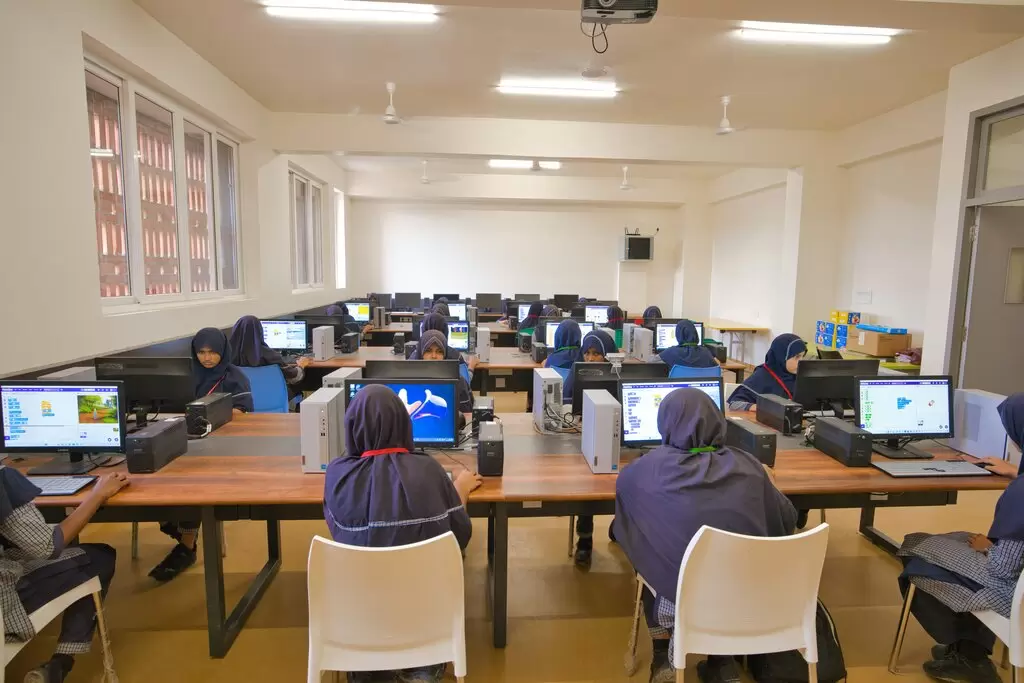
While education can be a pathway out of poverty, caste-based and economic barriers often restrict access, reducing the transformative potential of knowledge.
Strategies to Enhance Education’s Role in Social Mobility
1. Equitable Access to Quality Education
Policies that provide additional resources to underserved schools, reduce class sizes, and improve teacher training can create a more level playing field.
2. Financial Support and Scholarships
Tuition assistance, grants, and living stipends help low-income students attend higher education institutions without financial burden.
3. Mentorship and Career Guidance
Programs that connect students with mentors, internships, and career networks increase the practical value of education for upward mobility.
4. Inclusive Policies
Addressing gender, ethnic, and disability-related barriers ensures that education benefits all members of society.
5. Lifelong Learning Opportunities
Adult education, vocational training, and online learning platforms allow individuals to adapt skills and advance their careers over time.
Future Outlook
Education will remain a cornerstone of social mobility, but its effectiveness depends on systemic equity . Technological innovations, global connectivity, and policy reforms have the potential to expand opportunities for disadvantaged populations.
However, social mobility is also influenced by labor market conditions, economic inequality, and social networks, highlighting the need for holistic approaches beyond formal education.
Conclusion
Knowledge can indeed change destiny, but only when education is accessible, high-quality, and inclusive . Without addressing structural inequalities and providing supportive frameworks, education alone may not be sufficient to overcome social barriers.
To maximize the transformative power of education, societies must commit to equitable policies, targeted interventions, and lifelong learning opportunities , ensuring that knowledge serves as a true engine of social mobility.