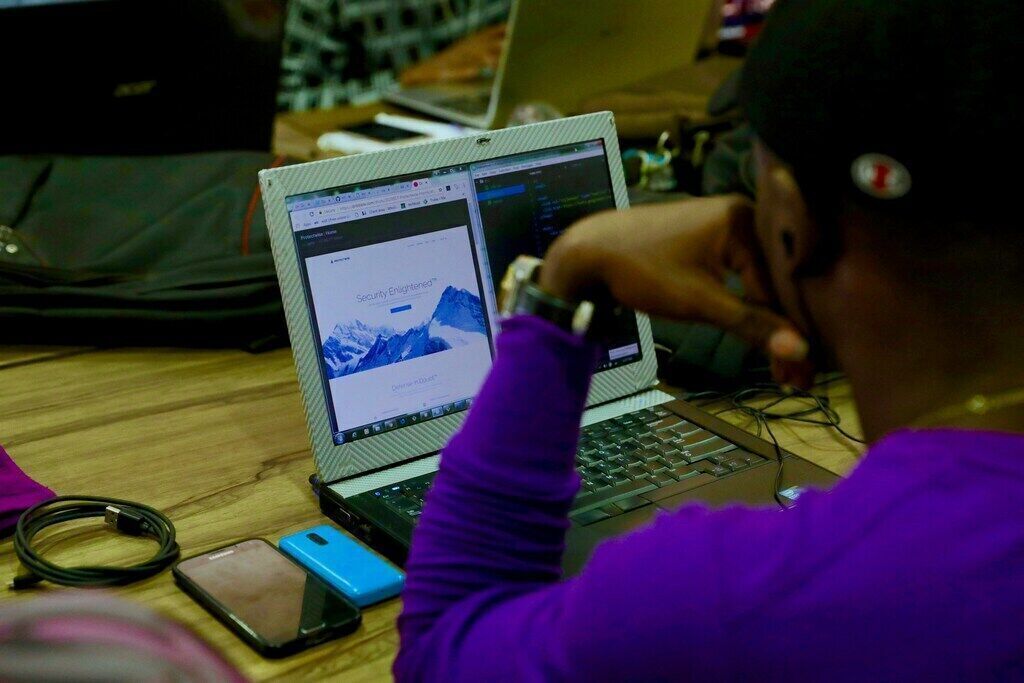
The Rise of EdTech: How Technology is Reshaping Modern Education

The Rise of EdTech: How Technology is Reshaping Modern Education
Introduction
In recent years, educational technology (EdTech) has grown from a supplementary tool into a transformative force in modern education. Classrooms, learning methods, and even entire institutions are being reshaped by digital innovation. As students, teachers, and policymakers adapt to rapid technological change, EdTech is proving to be more than a trend — it's a foundational shift in how we approach education.
This article explores the core elements of EdTech, its benefits and challenges, and how it continues to redefine education globally.
What Is EdTech?
EdTech refers to the use of technology to improve teaching, learning, and educational administration. It encompasses a wide variety of tools and platforms, including:
- Online learning systems (e.g., Coursera, Udemy, Khan Academy)
- Learning Management Systems (LMS) like Canvas, Blackboard, and Moodle
- Virtual classrooms and video conferencing tools
- Artificial Intelligence-based tutors and learning assistants
- Educational apps and games
- Augmented Reality (AR) and Virtual Reality (VR) learning modules
- Digital assessment and feedback platforms
Why EdTech Is on the Rise
1. The Digital Transformation of Society
As technology becomes integral to every aspect of life, education is naturally evolving to incorporate digital tools. Today's students are digital natives who expect a tech-integrated learning experience.
2. The COVID-19 Catalyst
The pandemic accelerated the adoption of online learning. When schools worldwide were forced to close, educators turned to digital platforms to continue instruction. This crisis response led to lasting changes in how institutions view technology.
3. Demand for Personalized Learning
Not all students learn the same way. EdTech allows adaptive learning systems to tailor content, pace, and assessment to individual needs.
4. Expansion of Global Education
EdTech removes geographic barriers, enabling students to access high-quality instruction regardless of their physical location. This democratizes education and expands opportunities.
Benefits of Educational Technology
Personalized Learning
Adaptive learning software uses algorithms to track student performance and offer personalized pathways. Whether a student excels or struggles, they can receive appropriate content at the right time.
Increased Engagement
Gamification, interactivity, and multimedia elements make lessons more exciting. Students are more likely to participate and retain knowledge when learning is dynamic and engaging.
Anytime, Anywhere Access
Cloud-based platforms and mobile apps give students 24/7 access to lessons, homework, and learning materials. This flexibility supports self-paced and lifelong learning.
Data-Driven Insights
Teachers can use real-time analytics to monitor progress, identify learning gaps, and adjust instruction accordingly. Data helps educators make better pedagogical decisions.
Cost Efficiency
Digital content reduces the need for physical textbooks and other materials. Schools can allocate resources more effectively while reaching more learners.
Challenges of EdTech Integration
The Digital Divide
Not all students have reliable internet or access to devices. Socioeconomic disparities can create unequal learning experiences and deepen existing gaps.
Teacher Training and Support
Many educators are not adequately trained to use EdTech effectively. Without proper professional development, tools may be underused or misapplied.
Privacy and Security
With increased use of digital platforms comes a greater risk of data breaches. Protecting student information is essential and requires strict cybersecurity measures.
Tech Overload
Too much technology can overwhelm both students and teachers. It's vital to maintain a balance and ensure that tech use serves a clear educational purpose.
Notable Examples of EdTech in Action
Google for Education
Used in thousands of schools globally, Google Classroom integrates with Docs, Slides, and Meet to support collaboration and communication in a virtual environment.
Khan Academy
A nonprofit platform offering free, high-quality video lessons and practice exercises. Its adaptive assessments help students progress at their own speed.
Duolingo
This language-learning app uses gamification and spaced repetition to teach over 30 languages. It's widely used by both individuals and school systems.
BYJU’S (India)
An EdTech giant that combines personalized learning with visual content, AI, and real-time performance analysis, serving millions of students.
The Future of EdTech
Artificial Intelligence
AI will play an even greater role in adaptive learning, automated grading, content recommendation, and even chat-based tutoring.
Virtual Reality and Augmented Reality
Immersive environments will allow students to explore scientific models, historical events, and complex systems in a hands-on way.
Blockchain Credentials
Digital certificates and transcripts powered by blockchain can provide secure, verifiable records of student achievement and learning history.
Microlearning and Lifelong Learning
Bite-sized lessons and modular courses will become more common as people seek to upgrade skills continuously throughout their lives.
Conclusion
Educational technology is not just reshaping how we learn—it’s redefining what learning looks like. With the right infrastructure, training, and policy support, EdTech can bridge educational gaps, enhance outcomes, and prepare students for an increasingly digital future.
While challenges such as access and equity remain, the potential of EdTech is immense. Its integration must be thoughtful and student-centered to ensure that technology empowers rather than replaces the human elements of teaching and learning.