The Real Challenges of Educational Equity: When Will the Urban-Rural Gap Narrow?
The Real Challenges of Educational Equity: When Will the Urban-Rural Gap Narrow?
Introduction
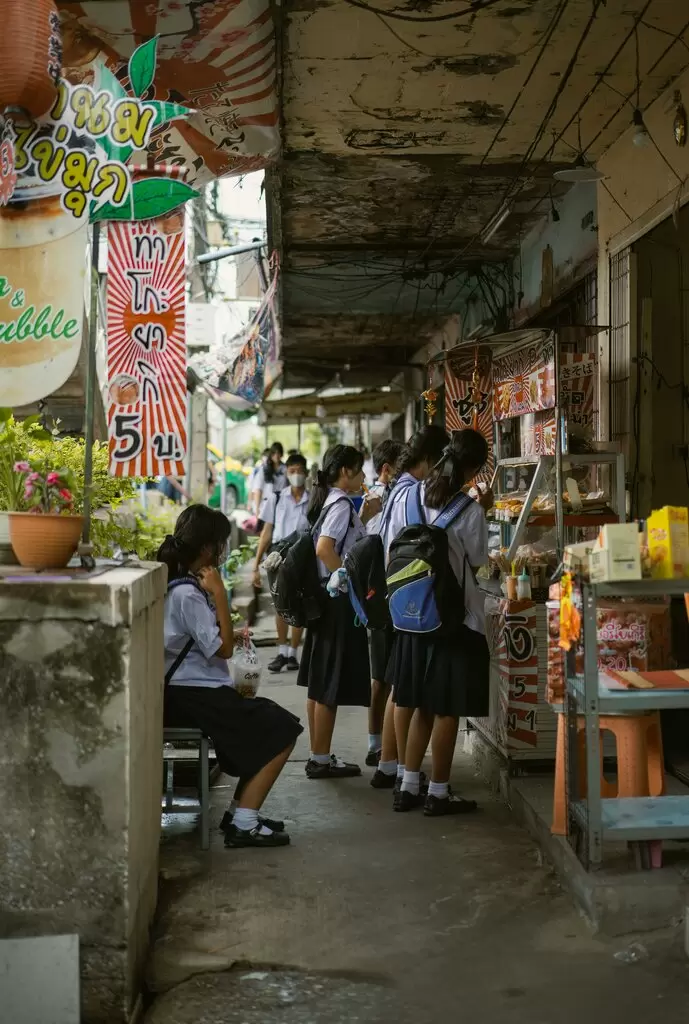
Educational equity is a universal aspiration shared by policymakers, educators, and communities. Yet, one of the most persistent challenges lies in the urban-rural divide. Urban schools often enjoy abundant funding, advanced facilities, and access to qualified teachers, while rural schools continue to struggle with limited resources and structural disadvantages. This imbalance raises a critical question: when will the gap truly narrow?
Understanding the Urban-Rural Divide
The urban-rural gap is not simply about geography; it reflects broader systemic inequalities across multiple dimensions:
- Funding Disparities : Urban schools attract more government allocations and private donations, while rural schools often rely on minimal budgets.
- Infrastructure Gaps : Access to modern classrooms, libraries, and laboratories remains scarce in many rural communities.
- Teacher Shortages : Talented teachers are drawn to urban schools due to better pay and career development opportunities.
- Socioeconomic Context : Rural families often face economic hardships, limiting their ability to invest in children’s education.
Core Challenges
1. Resource Inequality
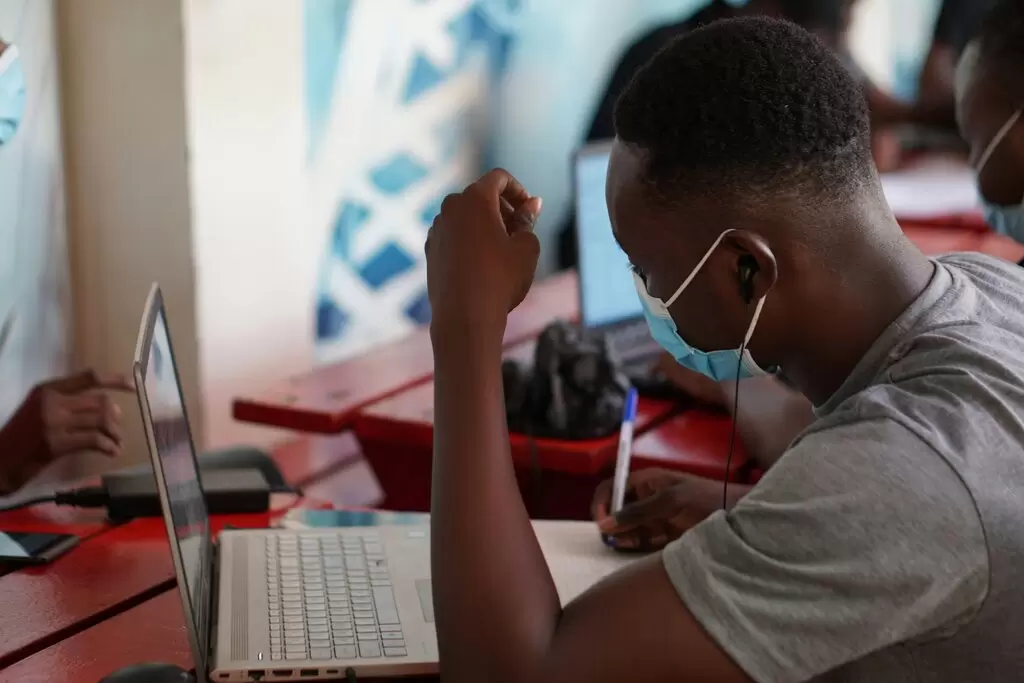
Urban schools typically have access to digital tools, interactive classrooms, and extracurricular programs that nurture creativity. Rural schools, on the other hand, may lack even basic amenities like stable electricity or internet access.
2. Brain Drain of Teachers
Qualified educators frequently migrate to cities for better opportunities, leaving rural areas with an aging or underqualified teaching workforce. This cycle perpetuates inequality.
3. Limited Access to Technology
While online education is expanding globally, rural regions often struggle with connectivity issues. Without access to high-speed internet, students are excluded from digital learning platforms.
4. Policy Implementation Gaps
Governments may introduce initiatives to improve rural education, but execution often falls short. Corruption, misallocation of funds, or bureaucratic inefficiencies delay progress.
Case Studies
- China : Despite heavy investment in rural schools, urban students still outperform rural peers significantly in national exams.
- United States : Rural districts face teacher shortages and declining enrollment, leading to school consolidations.
- India : Digital literacy programs exist, but without reliable electricity and internet, rural students cannot fully benefit.
These examples illustrate that the problem is global, not confined to one region.
Possible Solutions
To narrow the gap, solutions must address both resources and systemic structures :
- Equitable Funding Models : Governments should allocate funds based on need, not population size alone.
- Incentives for Rural Teachers : Scholarships, housing, and career advancement programs can attract educators to underserved areas.
- Technology Integration : Expanding broadband access and providing affordable devices can connect rural students to global resources.
- Community-Based Programs : NGOs and local organizations can provide after-school tutoring, mentorship, and parental support.
- Policy Accountability : Transparency in fund allocation and regular audits can ensure resources reach schools effectively.
Future Outlook
Closing the urban-rural education gap requires long-term commitment . Technology can accelerate change, but without addressing structural inequalities, it may deepen existing divides. Collaborative efforts between governments, private sectors, and local communities are essential.
If successful, the future could see a world where a child’s educational opportunities are not determined by geography but by ability and ambition .
Conclusion
The question of when the urban-rural education gap will narrow has no simple answer. Progress has been made, but challenges remain deeply entrenched. Achieving true equity demands systemic reform, sustained investment, and innovative solutions . Until then, rural students will continue to fight an uphill battle for equal opportunities—a battle that societies cannot afford to ignore.