Global Perspectives on Educational Equity: Comparing Developed and Developing Countries
Global Perspectives on Educational Equity: Comparing Developed and Developing Countries
Introduction
Educational equity is a global concern, but the challenges and solutions vary widely between developed and developing countries. While wealthier nations often focus on fine-tuning access, quality, and inclusion, developing countries face more fundamental barriers such as infrastructure deficits, teacher shortages, and limited funding. Understanding these differences is crucial for designing effective interventions and fostering international collaboration.
Educational Equity in Developed Countries
1. Resource Availability
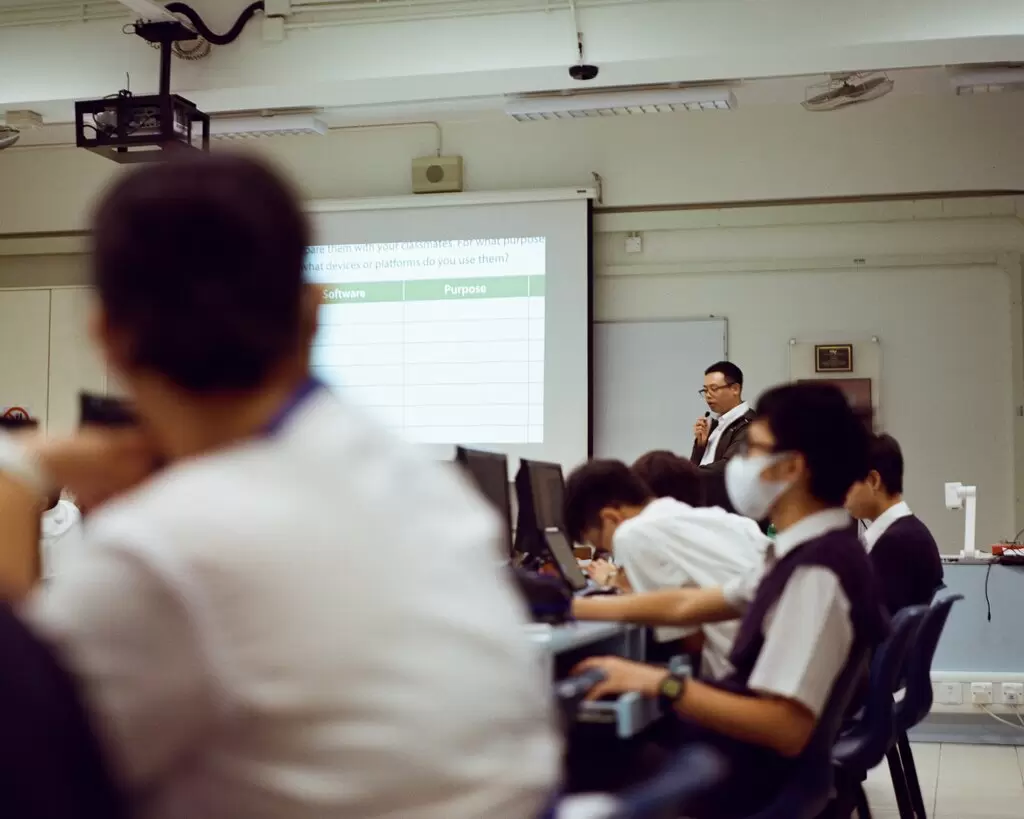
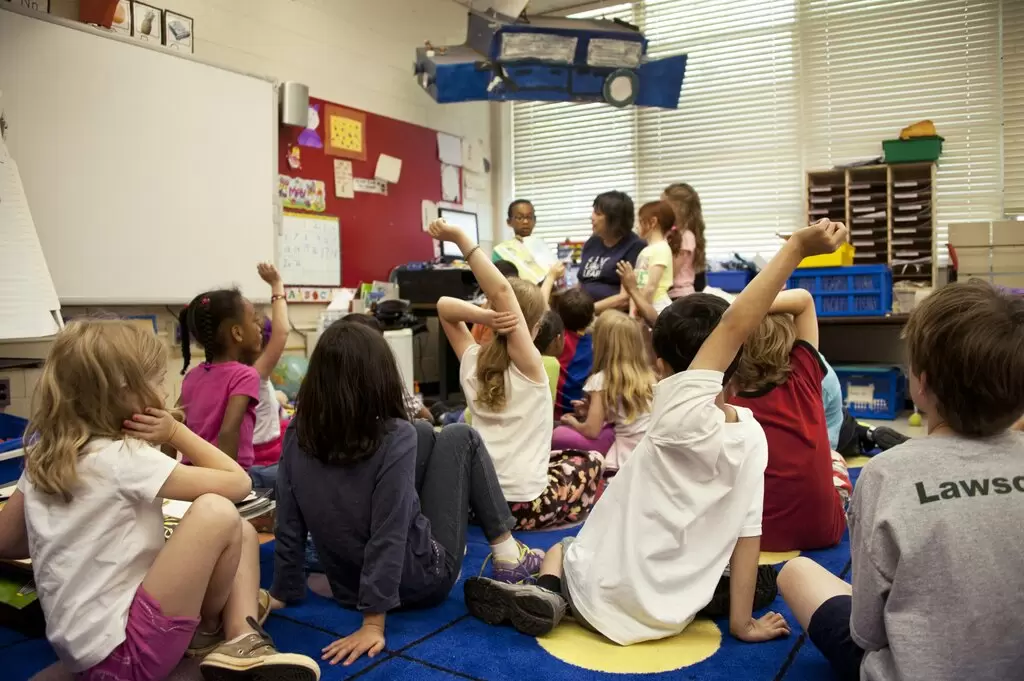
Developed nations typically have abundant resources, including modern classrooms, technology, and well-trained teachers. Yet, disparities still exist between regions, urban and rural areas, and socio-economic groups.
2. Inclusive Policies
Policies in countries like Finland, Canada, and Germany emphasize inclusion, providing support for students with disabilities, minority backgrounds, or special needs. Equity is achieved not just through access but also through tailored support.
3. Challenges
Even with strong resources, developed countries face persistent issues such as:
- Achievement gaps between high-income and low-income students.
- Socioeconomic stratification influencing educational outcomes.
- Integration of immigrant populations and culturally diverse learners.
4. Innovative Approaches
Developed countries experiment with:
- Personalized learning technologies.
- Early intervention programs for disadvantaged children.
- Policies incentivizing teacher distribution to underserved areas.
Educational Equity in Developing Countries
1. Infrastructure and Funding Gaps
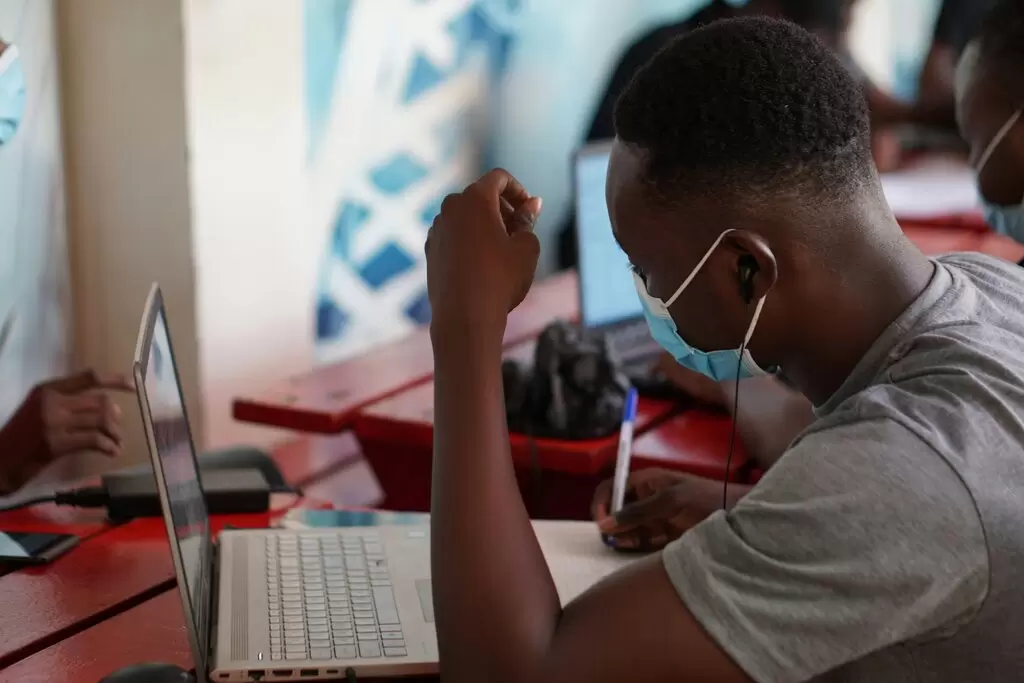
Many developing nations struggle with basic infrastructure: overcrowded classrooms, insufficient textbooks, and lack of electricity or internet connectivity. Schools often operate with limited government support.
2. Teacher Shortages
Developing countries face challenges in recruiting, training, and retaining qualified teachers. Rural schools are especially affected, exacerbating urban-rural disparities.
3. Socioeconomic and Cultural Barriers
Children in low-income families may face early school dropout, child labor, or gender-based restrictions, limiting access to education. Cultural norms can also impact educational participation, especially for girls.
4. Successful Interventions
Despite challenges, some developing countries have made notable progress:
- Brazil : Conditional cash transfers (Bolsa Família) increase school attendance.
- India : Midday meal programs improve nutrition and enrollment.
- Kenya : Community-led schools provide localized education where government support is lacking.
Comparative Analysis
| Aspect | Developed Countries | Developing Countries |
|---|---|---|
| Funding & Resources | Abundant | Scarce |
| Teacher Availability | High | Low, especially in rural areas |
| Technology Access | Widespread | Limited |
| Socioeconomic Barriers | Moderate | High |
| Policy Focus | Inclusion, quality enhancement | Access, basic infrastructure |
Insights
- Developed countries often focus on fine-tuning quality and inclusivity .
- Developing countries must first address basic access and infrastructure , though inclusion remains critical.
- Global collaboration and knowledge sharing can help developing nations adopt successful strategies from wealthier countries while adapting them locally.
Strategies for Bridging Global Educational Gaps
1. International Aid and Partnerships
Organizations like UNESCO, UNICEF, and the World Bank support education in developing regions through funding, training, and infrastructure projects.
2. Technology Integration
Low-cost devices, offline digital content, and mobile learning can help bridge resource gaps where internet access is limited.
3. Teacher Training Programs
Investing in teacher education and retention ensures that students receive quality instruction, even in remote or underserved areas.
4. Community Involvement
Engaging local communities in school governance, tutoring, and advocacy improves accountability and relevance of educational programs.
5. Policy Learning
Developing countries can adapt policies from developed nations while considering local socioeconomic and cultural contexts.
Future Outlook
Global educational equity requires a multi-dimensional approach . While developed nations continue refining inclusion and quality, developing countries must address access, infrastructure, and teacher shortages. Technology, international collaboration, and localized policy innovations will be key drivers in closing the global gap.
Conclusion
Educational equity is a universal goal, but the context differs widely across countries. Comparing developed and developing nations highlights both common challenges and unique barriers. Progress depends on targeted policies, strategic investments, and international cooperation . By learning from one another, countries can move closer to ensuring that every child, regardless of geography or background, has access to quality education.