The Skills Gap: Preparing Students for Jobs That Don’t Exist Yet
The Skills Gap: Preparing Students for Jobs That Don’t Exist Yet
Introduction
Rapid technological change and evolving industries have created a growing skills gap between what traditional education provides and what the modern workforce demands. Preparing students for careers that may not yet exist requires a shift in educational focus from content memorization to adaptable, transferable skills. This article explores the nature of the skills gap and how education can respond.
Understanding the Skills Gap
Definition
The mismatch between the skills employers need and those graduates possess.Causes
Technology advances, globalization, automation, and evolving job roles.Examples
Demand for data analysis, AI, digital literacy, creativity, and critical thinking.
Essential Skills for the Future
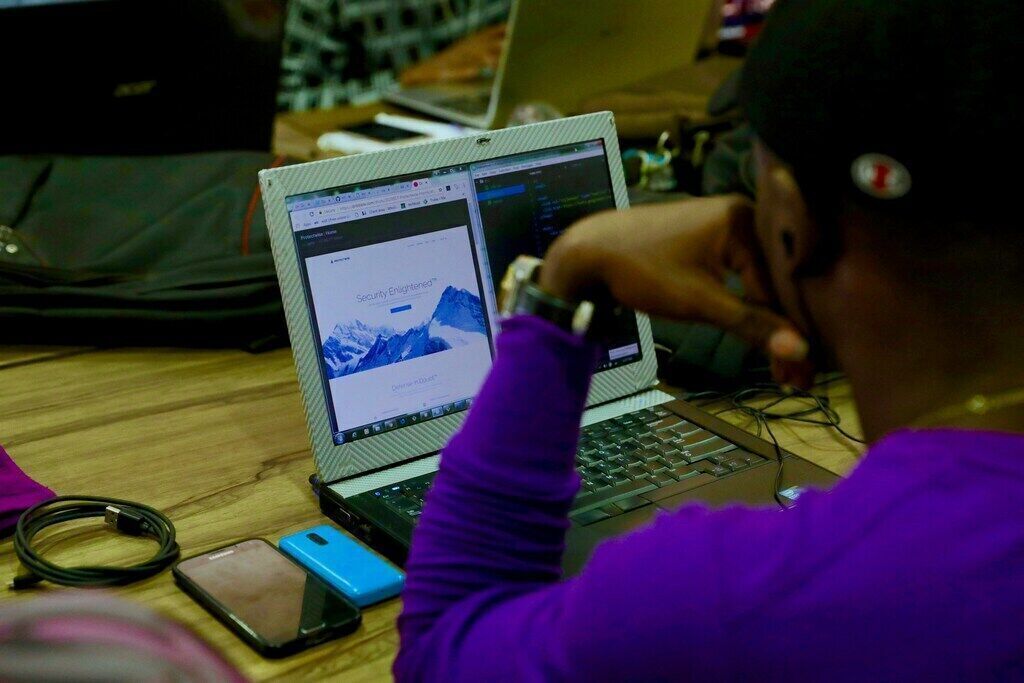
- Critical Thinking and Problem Solving
- Digital Literacy and Computational Thinking
- Creativity and Innovation
- Emotional Intelligence and Collaboration
- Adaptability and Lifelong Learning
Educational Approaches to Bridge the Gap
- STEM and STEAM Education: Emphasizing science, technology, engineering, arts, and math.
- Project-Based and Experiential Learning: Real-world problem solving.
- Soft Skills Development: Communication, teamwork, and leadership.
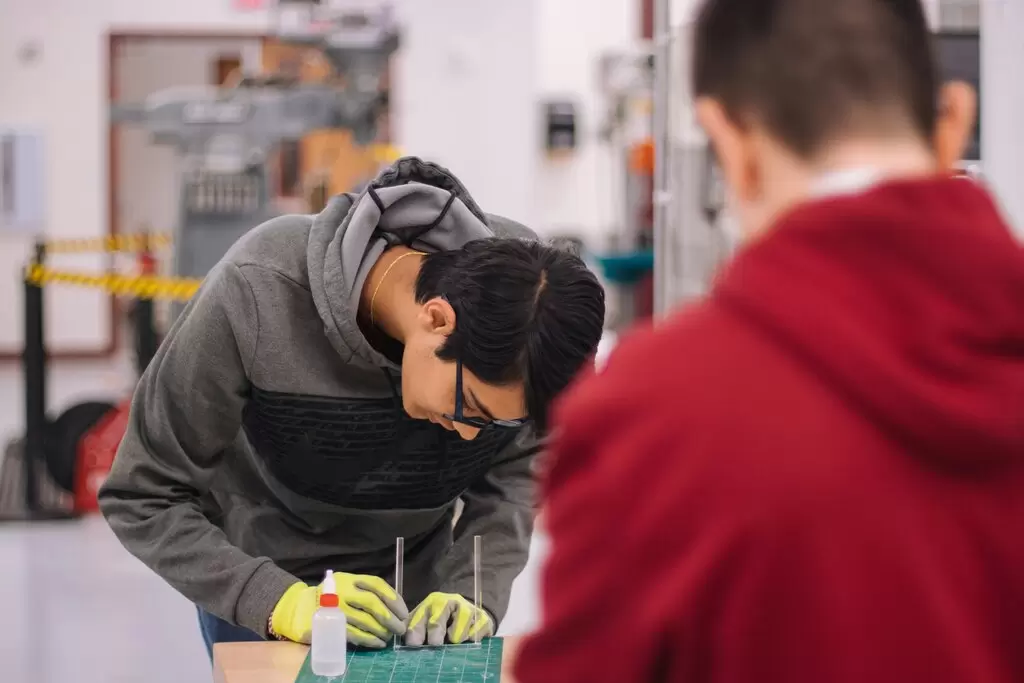
- Career and Technical Education (CTE): Hands-on vocational training linked to industry needs.
- Partnerships with Industry: Internships, apprenticeships, and mentorship programs.
Challenges
- Curriculum Rigidity: Difficulty updating curricula quickly enough.
- Teacher Training: Preparing educators to teach emerging skills.
- Equity Concerns: Ensuring all students have access to future-ready education.
Conclusion
The future workforce demands a flexible, skilled, and creative talent pool. Education systems must evolve rapidly to equip students with skills that transcend specific jobs and enable lifelong learning. Collaboration among educators, policymakers, industries, and communities is vital to closing the skills gap and preparing students for an uncertain but exciting future.